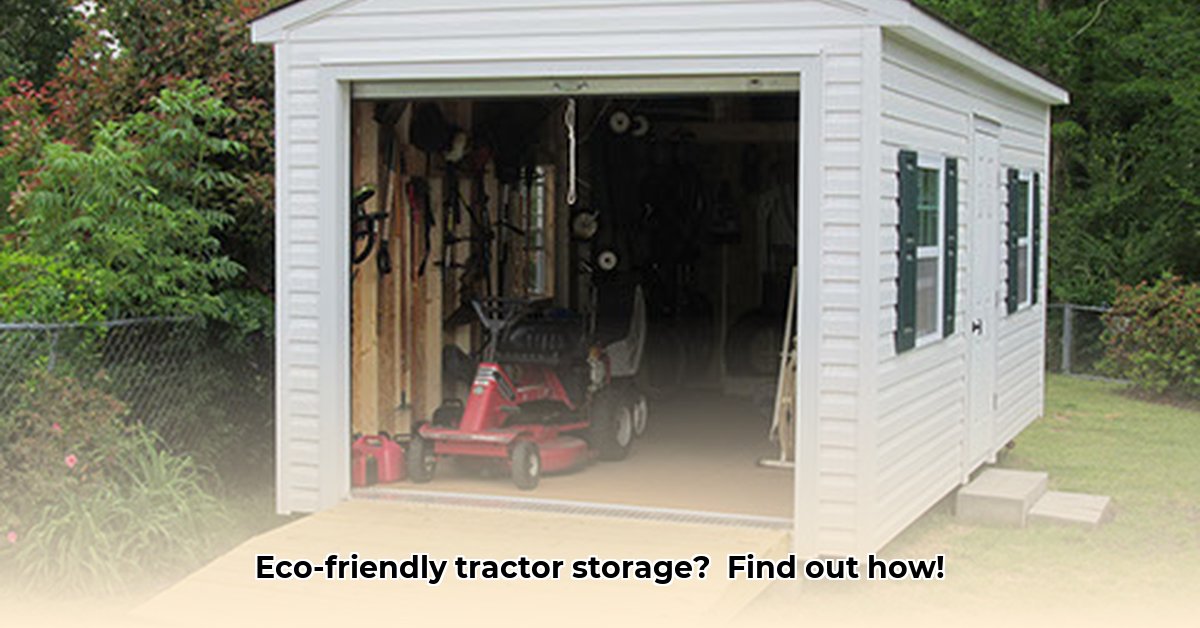
Tractor Storage Sheds: Protecting Your Investment and the Planet
Protecting your tractor isn't just about safeguarding your financial investment; it's about ensuring your farm's operational efficiency. A well-designed tractor storage shed is crucial, particularly for those committed to sustainable agricultural practices. But with numerous options available, choosing the right shed can feel overwhelming. This guide provides actionable steps to help you select or build an eco-friendly storage solution that benefits both your farm and the environment. For more detailed information on shed design, check out this helpful resource: Shed Design Guide.
Choosing the Right Shed Materials: More Than Just Aesthetics
Selecting appropriate materials is a pivotal decision. Durable, recycled steel provides longevity and environmental benefits, although it may come with a higher upfront cost. Sustainably harvested wood offers a classic aesthetic, but requires ongoing maintenance. Innovative farmers are also exploring eco-friendly alternatives such as bamboo or rammed earth, which are worth researching if you're seeking unique and sustainable options. The optimal choice hinges on your budget, local resource availability, and specific needs. Consider your climate, local material sourcing, and personal preferences when making your decision.
Designing Your Efficient Tractor Garage: Space and Functionality
Envision your tractor shed as more than mere shelter; consider it a functional extension of your farm's operations. Careful planning maximizes efficiency and minimizes future headaches. Before you begin construction or purchasing, consider these key design aspects:
Optimized Tractor Access: Ensure ample space for easy tractor entry and exit, accounting for its size and turning radius. Avoid tight spaces that could lead to damage or operational delays.
Effective Lighting: Maximize the use of natural light to reduce energy consumption. Supplementary lighting, especially during shorter winter days, should utilize energy-efficient LED technology.
Strategic Ventilation: Proper airflow prevents moisture buildup, mitigating rust and equipment damage. Strategically placed vents or natural airflow systems are both effective options that promote longevity and reduce future maintenance requirements.
Build It Yourself or Buy Pre-fabricated? A Cost-Benefit Analysis
Building your own shed offers complete control over materials and design, allowing for seamless incorporation of sustainable features. However, it demands significant time, specific skills, and potentially tool rentals or purchases. Buying a pre-fabricated shed is quicker and simpler, but allows for less customization. The best choice depends on your DIY capabilities, budget, and available time. Weigh the pros and cons carefully; consider your available time against the potential time savings of buying a pre-fabricated shed.
Eco-Friendly Features to Enhance Your Shed's Sustainability
Enhance your shed's environmental impact with these key features:
High-Performance Insulation: Effective insulation reduces energy consumption for heating and cooling, lowering both costs and your carbon footprint. Prioritize recycled materials whenever possible.
Efficient Water Management: A well-designed roof and drainage system protects your equipment from water damage, preventing costly repairs and potential mold growth. Utilize water-resistant materials.
Renewable Energy Integration: Consider incorporating solar panels to power lights or charge batteries, further minimizing your environmental impact.
Maintaining Your Shed: A Long-Term Investment
Regular maintenance extends the lifespan of your shed and reduces its environmental impact. Follow this simple checklist:
Routine Inspections: Conduct regular inspections of the roof, walls, and foundation for any damage. Addressing minor issues promptly prevents costly future repairs.
Consistent Cleaning: Regularly remove debris to maintain proper airflow and deter pests. A clean shed ensures optimal equipment protection.
Prompt Repairs: Address any problems immediately to prevent minor issues from escalating into major, more expensive repairs.
Long-term planning ensures cost and resource savings. A well-maintained shed protects your equipment and reduces your environmental impact, illustrating a commitment to both responsible farming and financial prudence.
Sustainable Choices for a Sustainable Future
Choosing a sustainable tractor shed offers multifaceted benefits. Beyond protecting your equipment, it reflects your dedication to responsible farming practices and minimizes your environmental impact. Every design decision, from materials selection to feature integration, contributes to a more sustainable agricultural future.
How to Choose Sustainable Materials for Agricultural Storage Sheds
Protecting your valuable tractor requires a comprehensive approach that considers both security and environmental responsibility. Let's explore how to choose sustainable materials for agricultural storage sheds that are durable and eco-friendly.
Understanding the Importance of Sustainable Sheds
The benefits of sustainable materials extend beyond environmental concerns. By using fewer resources, creating less waste, and often increasing longevity, you reduce long-term costs while showcasing your commitment to responsible land management.
Selecting Eco-Friendly Materials: A Comparative Analysis
Building a sustainable shed demands careful material selection. Let's explore various options:
1. Reclaimed Wood:
- Advantages: Aesthetically pleasing, highly durable, carbon-neutral, and often locally sourced.
- Disadvantages: Can be expensive, may require additional preparation, and necessitates proper treatment to prevent pest infestations.
2. Recycled Metal:
- Advantages: Strong, weather-resistant, readily available, and fully recyclable at the end of its life.
- Disadvantages: Higher upfront cost compared to new materials, and requires proper maintenance to prevent rust.
3. Straw Bales:
- Advantages: Offers excellent insulation, utilizes a renewable resource, and is relatively inexpensive.
- Disadvantages: Requires specialized construction techniques to prevent moisture damage and necessitates careful treatment to minimize fire risk.
4. Rammed Earth:
- Advantages: Provides excellent thermal mass, utilizes locally sourced materials, and boasts low embodied energy.
- Disadvantages: Labor-intensive, necessitates specialized skills, and is suitable only for specific soil types.
A Step-by-Step Guide to Sustainable Shed Construction
Needs Assessment: Determine the necessary space, equipment to be stored, and your budget constraints.
Material Selection: Carefully consider your climate, budget, and the availability of sustainable options. Weigh the advantages and disadvantages outlined above.
Material Sourcing: Investigate local suppliers of reclaimed wood, recycled metal, or other sustainable materials to support local businesses.
Design and Construction: Build the shed yourself (if skilled) or hire a contractor experienced in sustainable construction. Ensure compliance with local building codes.
Ongoing Maintenance: Regular inspections and maintenance extend the lifespan of your shed and maintain its structural integrity.
Key Takeaways:
- Sustainable materials significantly reduce your farm's environmental footprint.
- Eco-friendly sheds provide long-term cost savings.
- Numerous sustainable options exist; choose based on your specific needs and budget.
- Meticulous planning and construction are vital for creating a durable and secure shed.